
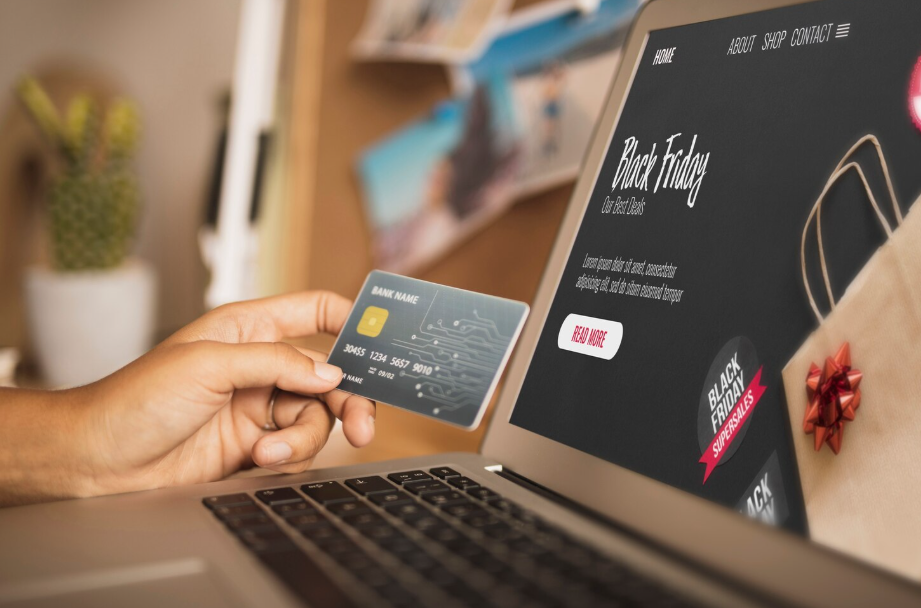
Everyone wants the latest gadgets at a steal. But learning how to find the best tech deals without stumbling into scams is a skill every shopper needs. A solid tech deal buyer’s guide should balance excitement with caution.
Here’s how to shop smart, spot the red flags, and still land the discount you’ve been hunting.
Spotting Fake Tech Deals Before They Bite
Scammers prey on urgency. Flashy banners, countdown timers, or too good to be true tech prices are their favorite tricks. Before clicking “buy,” pause. Ask yourself: how to check if a deal is legit?
Look for these red flags for online shopping scams:
- Strange URLs or misspelled domains
- Only accepting wire transfers or gift cards
- No return policy or vague contact info
- Prices far lower than every other retailer
- Poor grammar, broken images, or sloppy design on the website
Also, compare prices across multiple sites. If one store lists a $1,000 laptop for $200, that’s not a steal, but a bait. If you want to sharpen your scam radar further, see How to Spot Fake “Deals” Online Before You Click Buy.
Safe Online Tech Shopping: Know the Signs of Trust
If you want safe online tech shopping, look for signals of credibility. Secure sites (HTTPS), clear shipping policies, and transparent customer support all matter. Stick to trusted online retailers for tech like Best Buy, Amazon, or manufacturer websites.
Don’t skip reviews. Research tech reviews before buying to see if the product is even worth the discount. Professional reviewers and forums are great resources. And if a site hides or deletes bad reviews, that’s another warning sign.
Shoppers who time their purchases also save more. For seasonal guidance, check The Best Times of Year to Buy Everything.
Best Websites for Tech Discounts You Can Trust
Not all discount sites are shady. Some offer real savings with verified sellers. For example, Newegg, B&H Photo, and Amazon’s Warehouse Deals regularly list discounted gear.
Pairing these with a cashback app or tracking service can maximize your savings. Just remember, scammers often build clone sites that mimic popular retailers. Always double-check the domain name and customer support page.
If you’re curious about whether reward tools are worth it, see Cashback Credit Cards vs. Cashback Apps: What’s the Better Deal?.
Avoid Online Tech Scams With Smart Payment Habits
Even the best deals can turn sour if your payment method leaves you unprotected. Credit cards should always be your go-to, since they offer extra fraud safeguards that debit cards don’t. If a seller disappears, your bank can dispute the charge and recover your money.
Stick with secure payment methods for tech purchases, and steer clear of wire transfers, cryptocurrency, or gift cards. Those options give scammers exactly what they want—cash without a trail. If a retailer pressures you into an unusual form of payment, that’s your sign to walk away immediately.
Final Tips: Play Offense, Not Defense
Scoring a deal on tech doesn’t mean putting your wallet at risk. The key is to stick with trusted sites and reliable sellers while keeping an eye out for shady pricing tactics that scream “scam.”
Always pay with secure methods that give you protection if something goes wrong, and never skip the step of reading reviews before checkout. Ultimately, how to find the best tech deals is about balancing savings with safety so you shop smart and confidently.